
Choosing between Danish oil and varnish is one of the last decisions before your new timber worktop is fitted. Both products are used on wood in different contexts, but for real wood kitchen worktops there is a clear winner. Danish oil keeps the timber looking and feeling natural, is food safe once cured and can be refreshed easily. Traditional varnish creates a hard, plastic-like surface film that is difficult to repair and is generally not recommended for wooden kitchen worktops.
At Wood Worktops, we specialise in solid timber worktops and the finishes that suit them best. We only recommend and supply oil finishes for our worktops, with Danish oil remaining a favourite for many of our customers. Below, we look at Danish oil vs varnish in detail and explain why, in a kitchen environment, an oiled finish is the sensible long-term choice.
What Is the Difference Between Danish Oil and Varnish
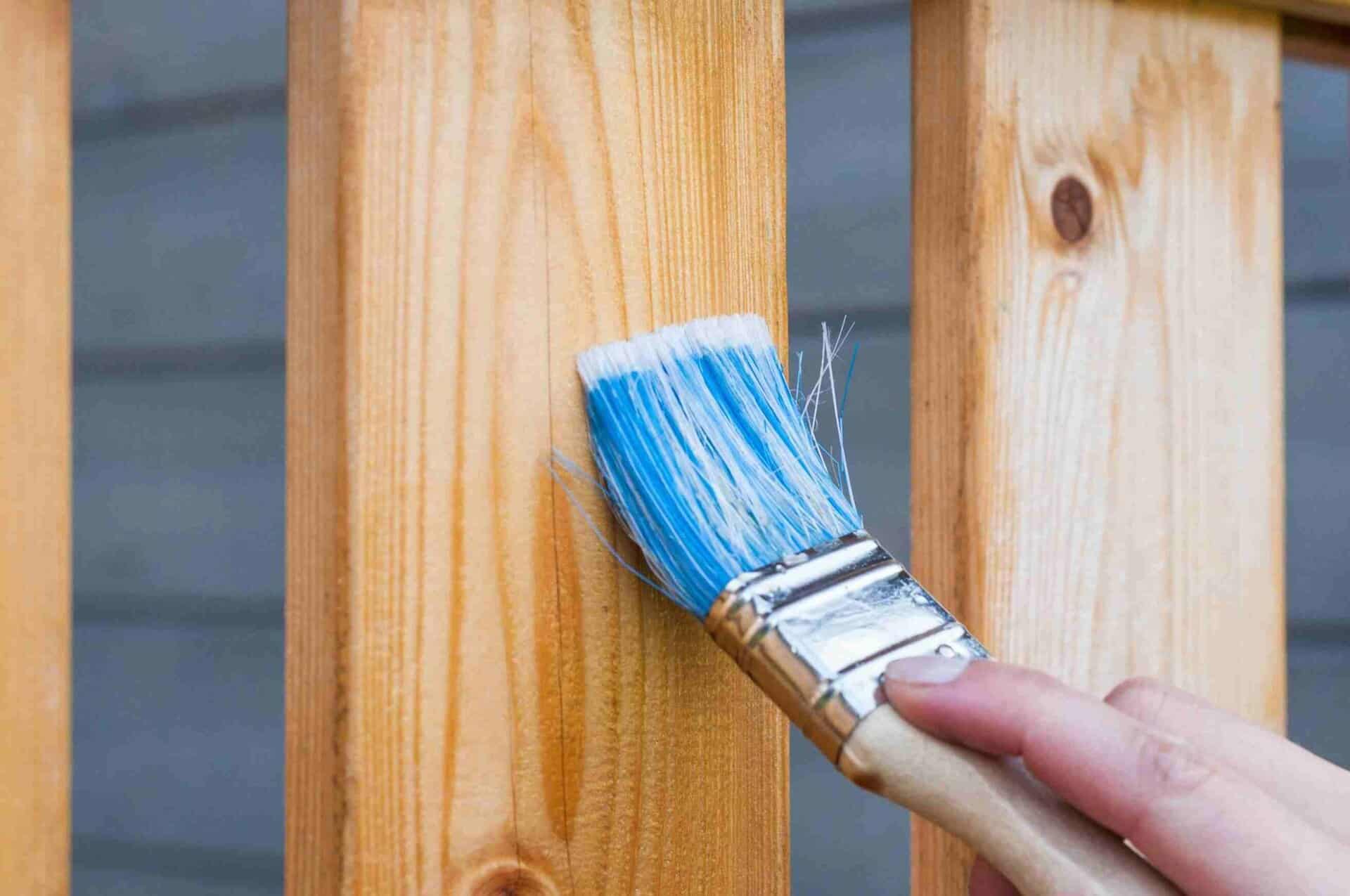
Danish oil is a penetrating finish. It soaks into the upper fibres of the timber and hardens within the grain. The result is a smooth satin surface that still feels like wood and moves naturally with seasonal changes. Varnish is a surface coating. It forms a solid film that sits on top of the timber and separates it from day-to-day contact, rather than working with the natural material.
Many Danish oil formulations are based on plant oils with added resins and drying agents for durability. By contrast, most traditional varnishes rely more heavily on synthetic resins and solvents. That more chemical, film-forming approach can suit some indoor joinery, but it is not ideal for a natural, frequently used kitchen worktop that needs to breathe and move.
How Does Danish Oil Protect a Wood Worktop
When you apply Danish oil, it is drawn into the pores of the timber and builds a protective barrier from within. As it cures, it forms a tough, water-resistant surface that remains pleasant to touch. It is a popular choice for family kitchens and for characterful full stave worktops where the natural figure of the wood is the main feature. The oil highlights the grain pattern, is food safe once cured and can be renewed whenever the surface starts to look a little dry.
On classic oak worktops, Danish oil deepens the colour slightly and emphasises the natural character of the timber. The result is a worktop that looks warm and inviting, rather than coated or artificial.
Can I Varnish Over Danish Oil?
If varnish is applied over oil that has not fully cured, there is also a risk of poor adhesion, soft or sticky patches and an uneven finish. Correcting this usually means sanding back to bare wood. In practical terms, if you choose Danish oil, the best approach is to keep the surface oiled and maintained rather than switching to varnish later. Once a worktop has been varnished, you cannot simply re-oil over the top. The varnish must be removed completely before oiling again.
Is varnish good for kitchen worktops?
For wooden kitchen worktops, varnish is generally not advised. Timber varnishes dry to a hard and often brittle film that can feel plastic-like under the hand. In a kitchen, this surface is exposed to hot pans, heavy items, sharp utensils and regular cleaning. Scratches, small cracks and heat marks can occur in the varnish layer. Once the film is broken, water is able to creep underneath and sit between the wood and the coating.
This trapped moisture can cause water staining and pale, cloudy patches, often called blooming. Because the damage sits under the varnish rather than on top of it, you cannot simply wipe it away. Unlike a well-maintained oiled surface, which actively repels water when correctly topped up, a damaged varnish film allows water to reach the timber while hiding the problem until it is more advanced.
Repairing a varnished worktop is also much more involved than looking after an oiled surface. Local repairs are very difficult to blend in. New varnish rarely matches the thickness, sheen or colour of the surrounding area once it has cured. As a result, damaged varnish usually needs to be fully stripped and reapplied over the whole worktop, which is messy and time-consuming.
For these reasons, we do not recommend varnish on our solid timber kitchen worktops. An oiled finish, such as Danish oil is far better suited to the reality of a busy kitchen and makes long-term care much more straightforward.
Appearance and Feel of Danish Oil vs Varnish
Danish oil allows the wood to take centre stage. Grain and natural colour shifts remain fully visible and the worktop looks warm and inviting. The surface feels gently textured rather than coated, which works especially well on long runs of timber or a central island or breakfast bar worktop where the worktop is a key feature of the room.
A varnish film tends to give a flatter, more uniform look. The coating reflects light evenly, which can highlight scratches and wear. Some of the depth and natural character of the timber is lost behind the surface layer, which is one of the main reasons many people choose an oiled finish instead, particularly when they have opted for real wood to bring warmth and a natural feel into the kitchen.
Danish Oil vs Varnish: Key Properties Compared
The table below compares Danish oil and varnish in the specific context of wooden kitchen worktops and highlights why we recommend oil rather than a varnish film.
| Danish oil | Varnish | |
| Type of finish | Penetrating oil that bonds within the timber and leaves a breathable, microporous surface. | Film forming coating that sits on top of the wood and seals it under a hard layer. |
| General composition | Based on natural oils with added resins and dryers to improve durability in daily use. | Relies more heavily on synthetic resins and solvents, giving a more chemical, plastic-like film. |
| Suitability for real wood kitchen worktops | Recommended. Works with the natural movement of timber and is well suited to busy kitchens when maintained. | Not recommended. Brittle film can crack, scratch and allow water to creep underneath, which is problematic near sinks and hobs. |
| Look and feel | Natural satin sheen that shows the grain clearly and feels warm and timber like to the touch. | More uniform, artificial appearance with a harder, plastic-like feel that can look out of place on natural wood. |
| Repair and maintenance | Simple to care for. Local areas can be lightly sanded and re-oiled without treating the whole surface. | Local repairs are hard to hide. Worn or damaged varnish usually needs full stripping and refinishing. |
| Long-term flexibility | You can refresh or adjust the finish at any stage with more oil once the surface is clean and dry. | Once varnished, the worktop cannot be re-oiled until all varnish has been sanded back to bare timber. |
Care and Maintenance Over Time
Oiled worktops need a little attention in the early months because the timber absorbs oil readily at first. Once the surface has built up protection, top-up coats are only required occasionally, often once or twice a year, depending on use. Care is simple. Wipe the worktop clean, let it dry, then apply a thin coat of oil and leave it to cure. This routine keeps the surface looking fresh and ensures spills continue to bead on top of the timber.
Varnished surfaces do not allow this kind of simple, regular maintenance. When the film becomes dull, cracked or damaged, the usual remedy is to sand it back and reapply the varnish. This is more disruptive, produces more dust and means the worktop cannot be used while the work is carried out. Because varnish also prevents fresh oil from soaking in, switching back from varnish to Danish oil always involves full stripping.
Conclusion
In a direct comparison of Danish oil vs varnish, both can be used on wood, but they are not equally suitable for real wood kitchen worktops. Varnish creates a hard surface film that can crack, scratch, trap water and is very difficult to repair neatly. Once applied, it also prevents the timber from being re-oiled until all traces of varnish have been removed.
Danish oil, by contrast, keeps the natural look and feel of the timber, works beautifully on everything from classic oak surfaces to contemporary islands and long stave layouts and allows straightforward spot repairs and top-ups over time. For customers who have chosen solid timber for its warmth and character, an oiled finish is the natural partner. If you want a worktop that looks and feels like real wood and is comfortable to maintain as your kitchen is used, Danish oil is the approach we recommend.