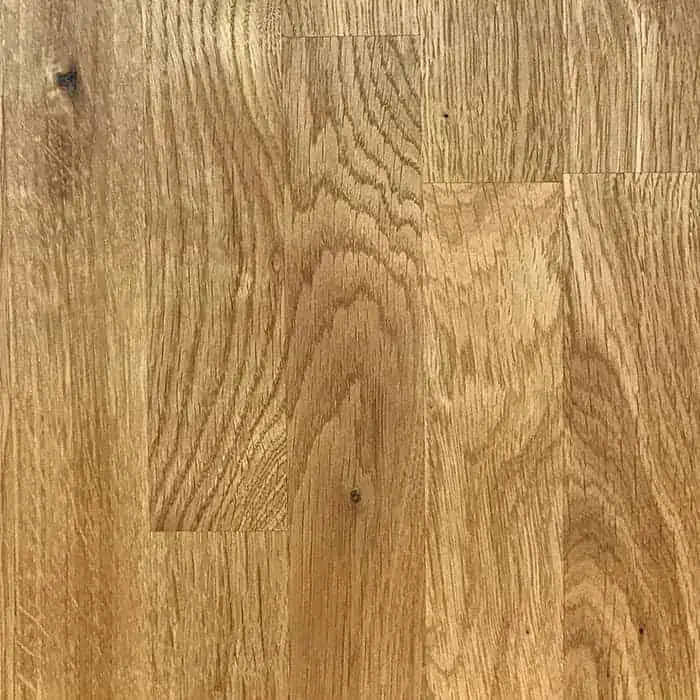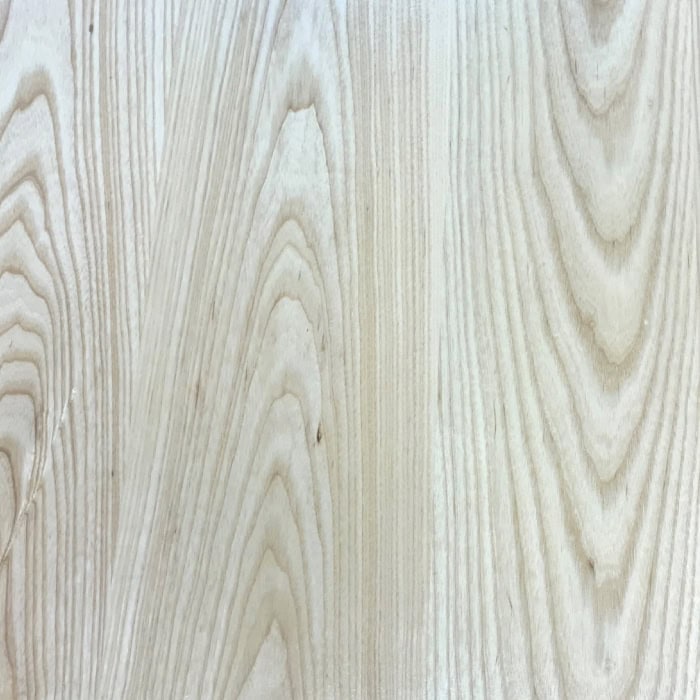

When people search for types of wood, they are usually trying to answer a simple question: which timber looks right, performs well and suits their project best? This guide is here to help. It introduces some of the most popular wood species used for solid wood worktops and interiors, so you can compare them by appearance, character and overall style before exploring each one in more detail.
Wood is generally divided into two main groups: hardwood and softwood. The difference is biological rather than a simple measure of hardness. Hardwoods usually come from broadleaved trees, while softwoods come from conifers. For visible surfaces such as worktops, furniture and flooring, hardwoods are often preferred because many species combine attractive grain with good density and long-lasting character.
How To Choose Between Wood Types
When choosing between different types of wood, start with the look you want to create. Light woods can make a space feel brighter and more open. Mid-tone woods bring warmth and flexibility. Dark woods create contrast and a more dramatic finish. Grain matters just as much: some woods have a calm, even look, while others show more movement, texture and colour variation.
It also helps to think about how the timber will be used day to day. A kitchen worktop, breakfast bar, home office desk and utility surface may all have different priorities. The best wood type is usually the one that balances looks, maintenance, budget and the overall feel you want the room to have.
Popular Wood Types For Worktops And Interiors
The wood species on this page cover a wide visual range. Oak is a classic all-rounder. Walnut offers darker, richer tones. Maple, ash and beech suit lighter, fresher schemes. Cherry adds warmth, while iroko, sapele and wenge are stronger, deeper-looking options for more distinctive interiors.
One of the main advantages of solid wood is that every board has its own natural grain and variation, so no two finished surfaces look exactly the same. This makes it a versatile and characterful choice for a wide range of interiors.
Responsibly Sourced Timber
If responsible sourcing matters to you, look for clear information about where the timber comes from and how it has been produced. Choosing well-sourced wood helps support better forestry practices while ensuring the material you bring into your home is both reliable and responsibly supplied.
Browse the wood types below to compare the look and character of each species, then visit the individual pages for more detail on colour, grain, care and suitability.