
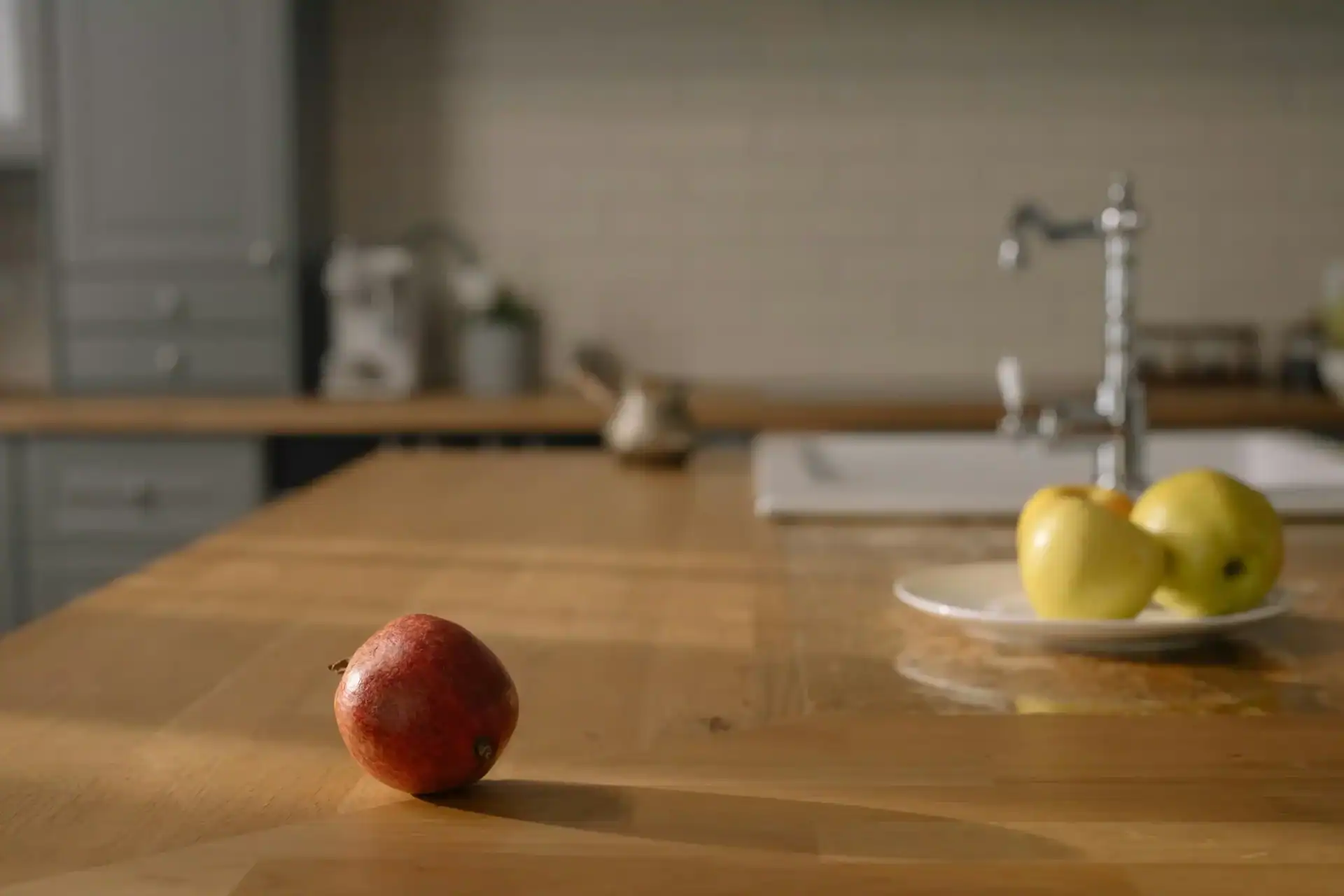
Choosing the most durable kitchen countertops is an important step in designing a space that will stand up to everyday use while maintaining its appearance over time. A worktop is one of the hardest-working surfaces in any kitchen, so durability is not just about resistance to scratches, but also how well the material performs, ages and adapts over years of use.
When considering the most durable kitchen countertops, it is worth looking beyond surface hardness. Repairability, moisture resistance and the ability to refresh the finish all contribute to long-term performance, which is why many homeowners favour natural timber.
What Makes the Most Durable Kitchen Countertops?
When assessing the most durable kitchen countertops, it is important to understand that durability is not defined by hardness alone. A surface may resist scratches, but if it cannot be repaired or maintained over time, it may not offer the long-term performance many kitchens require.
The most durable kitchen countertops are those that balance strength with practicality. Resistance to moisture, tolerance to everyday wear and the ability to restore the surface all play a role in how well a worktop performs. This is why the materials used in wooden kitchen tops, for example, are often considered a reliable choice, as they can be maintained and refinished rather than replaced when signs of wear appear.
Why Solid Wood Is Among the Most Durable Kitchen Countertops
When looking at the most durable worktops for a kitchen, solid wood stands out for its ability to combine strength with long-term adaptability. Rather than simply resisting wear, timber can be maintained, repaired and restored over time, which makes it a practical choice for kitchens that see regular use. This balance of durability and flexibility is what sets wood apart when comparing the most durable kitchen countertops available today.
Oak Worktops
Oak is widely regarded as one of the most reliable choices for busy kitchens. Its dense, tight grain structure gives it a natural resilience that helps it cope well with everyday use, from food preparation to general wear. It also offers a good balance between hardness and workability, meaning it can be sanded back and refinished without difficulty when signs of use begin to show.
One of oak’s strengths lies in how it ages. Rather than deteriorating, it gradually develops a deeper tone and subtle character, particularly in well-used areas. This makes it well-suited to kitchens where the worktop is expected to evolve over time. Oak also responds well to regular oiling, which helps maintain its resistance to moisture and staining while preserving the clarity of the grain.
Iroko Worktops
Iroko is often chosen for areas exposed to moisture, thanks to its naturally high oil content. This internal oil acts as a built-in defence against water ingress, making iroko particularly effective around sinks and preparation zones where splashes are more frequent. It is less reliant on surface treatments than many other timbers, although finishing oils will still enhance its performance and appearance.
In addition to its moisture resistance, iroko has a stable structure that is less prone to movement in changing temperatures and humidity levels. This makes it a dependable option in kitchens where environmental conditions may vary. Its rich colouring and varied grain pattern also help to disguise minor marks or wear, allowing it to maintain a consistent appearance even in high-use settings.
Maple Worktops
Maple offers a fine, uniform grain and a hard-wearing surface that performs well under repeated use. Its smooth texture makes it particularly suitable for food preparation, which is why it has long been associated with butcher’s blocks and professional kitchen environments. The density of maple helps resist dents and light impact damage, while its pale tone creates a clean and consistent finish.
Although it is lighter in colour, maple benefits from regular maintenance to protect against staining and moisture exposure. When properly cared for, it retains its smooth surface and understated appearance over time. Its consistent grain also makes it easier to achieve an even finish during sanding and refinishing, which contributes to its long-term practicality in everyday kitchens.
How Thickness Influences the Durability of Kitchen Countertops
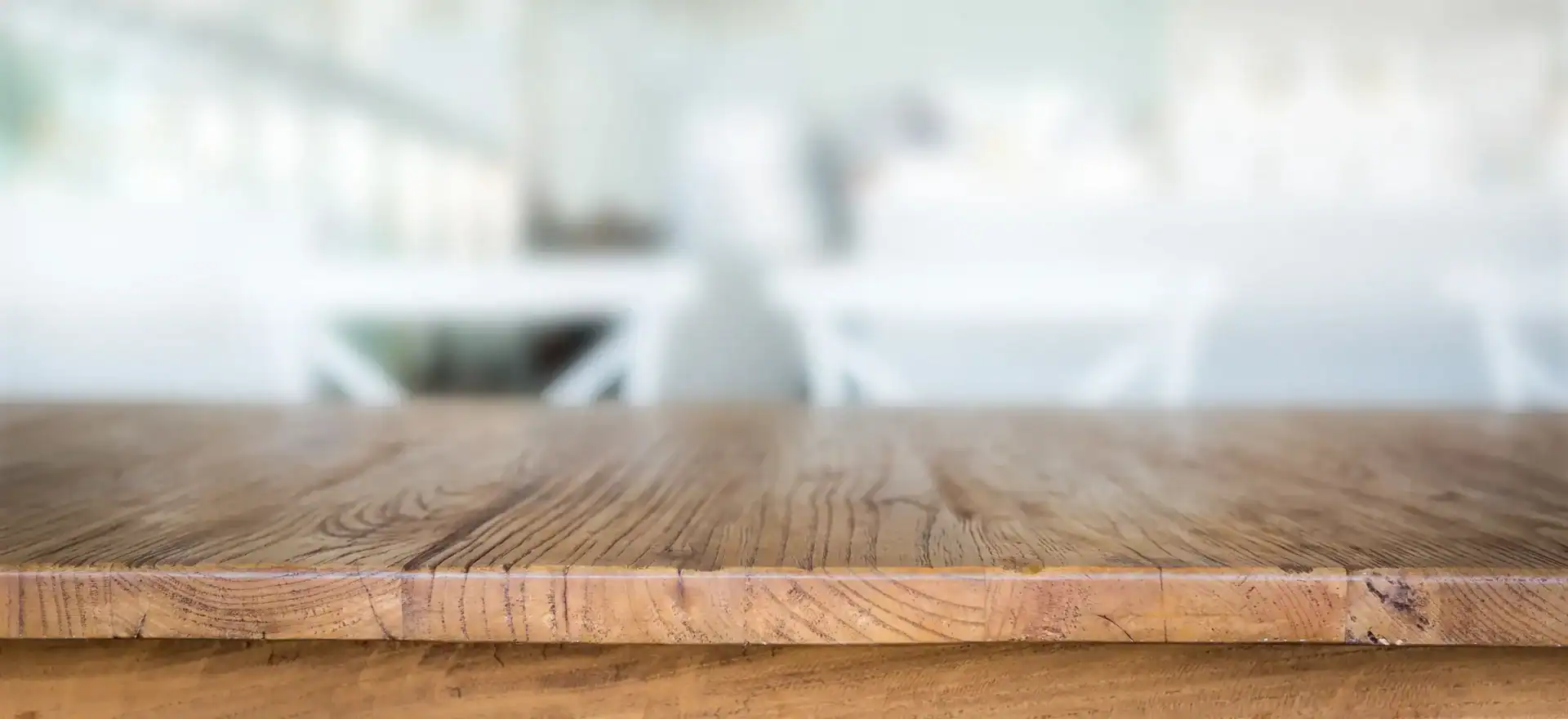
In many British homes, thickness has a direct impact on how well a worktop performs over time. With the most durable kitchen countertops, a thicker profile generally provides greater strength across longer spans and allows for more sanding if the surface needs to be restored. Slimmer options, such as 22mm worktops in the UK, offer a lighter, more contemporary look and can still perform reliably, but they benefit from careful maintenance to preserve their structure and finish.
Maintaining the Most Durable Kitchen Countertops Over Time
Regular care plays a key role in preserving the appearance and performance of even the most durable kitchen countertops. Oiling the surface helps protect against moisture while maintaining the natural grain, and light sanding can be used to address minor marks before they develop further. It is also worth paying attention to surrounding features such as wood upstands, which help protect walls from splashes and contribute to the overall longevity of the installation when maintained alongside the worktop itself.
Why Do Some Kitchen Countertops Last Longer Than Others?
Not all surfaces perform in the same way over time, and longevity often depends on how a material responds to everyday use rather than how hard it appears initially. Some materials resist scratches but cannot be repaired once damaged, while others may show signs of wear but can be restored with relative ease. Environmental factors, such as moisture, heat and regular cleaning, also play a role, meaning that materials which can adapt and be maintained tend to offer greater long-term value in a working kitchen.
Conclusion: Why Wood Is a Good Choice for the Most Durable Kitchen Countertops
Wood continues to offer a reliable balance of strength and adaptability, making it a practical option in a wide range of kitchen settings. Unlike materials that degrade over time, timber can be maintained and refined as needed, allowing it to retain both its function and appearance. This flexibility is particularly useful across longer runs in larger British kitchens, where options such as 4m worktops in the UK help create a more consistent surface, reinforcing wood’s place among the most durable kitchen countertops available today.