

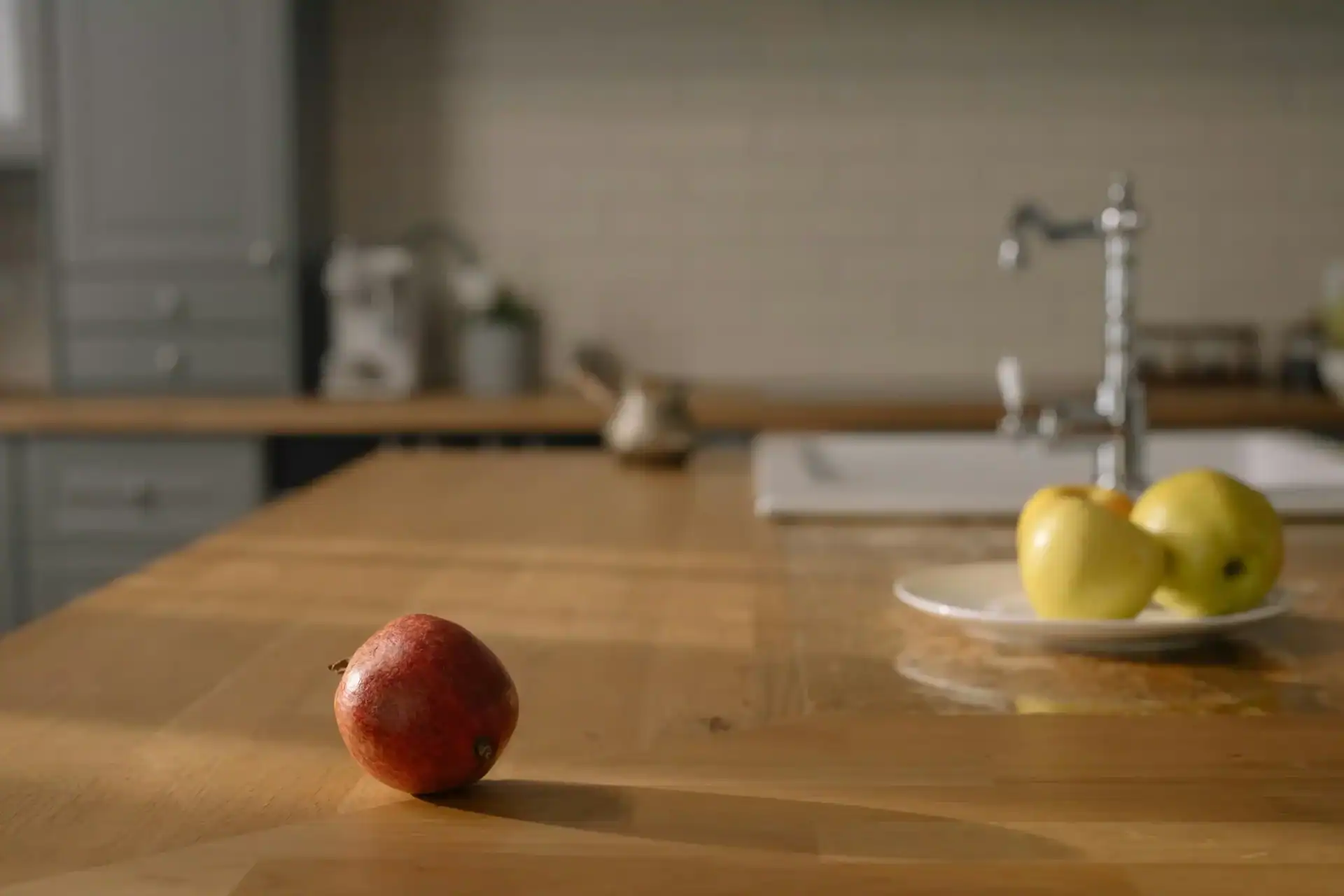
Choosing the right worktop is an important step in creating a kitchen that works both visually and practically. The surface you select will influence how the space looks, how it performs day to day and how well it holds up over time.
There are many materials to consider, from engineered surfaces to stone, but many homeowners continue to favour solid worktops for their durability and natural appeal. Understanding how to choose the right kitchen worktop for you means balancing appearance, usability and long-term value.
How to Choose the Right Kitchen Worktop for Your Lifestyle
The first step is to think about how your kitchen is used. A busy family space will place very different demands on a work surface compared to one used occasionally.
Surfaces that see frequent use need to cope with heat, spills and general wear. Some materials resist damage well but are difficult to repair, while others can be maintained over time. Timber stands out here, as it can be sanded and refinished, helping it retain its appearance even after years of use. When choosing a kitchen worktop, lifestyle should always guide the decision.
How to Choose the Right Kitchen Worktop From Different Materials
When considering how to choose the right kitchen worktop, it helps to understand how each material performs. Timber, stone and engineered surfaces each offer different benefits.
Wood provides warmth and flexibility, making it suitable for a wide range of styles. Stone surfaces such as quartz or granite are durable and resistant to heat, but once installed, they are difficult to adjust. Engineered options offer consistency and affordability, though they can be harder to repair if damaged.
Selecting the right material depends on priorities. For those looking for adaptability and longevity, wood remains a practical choice that offers a warm and natural look, ideal for both traditional and contemporary designs.
How to Choose the Right Kitchen Worktop if You Want a Natural Finish
Appearance often plays a central role when deciding on the right kitchen worktop to choose. Natural materials bring character into a space in a way that manufactured surfaces often cannot match.
Timber worktops highlight grain patterns and subtle variation, creating a warm and inviting finish. Options such as solid oak wood worktops are popular for their smooth texture and consistent tone, making them suitable for both modern and traditional kitchens.
If a natural look is important, choosing a kitchen worktop often leads back to wood, as it offers genuine depth and individuality.
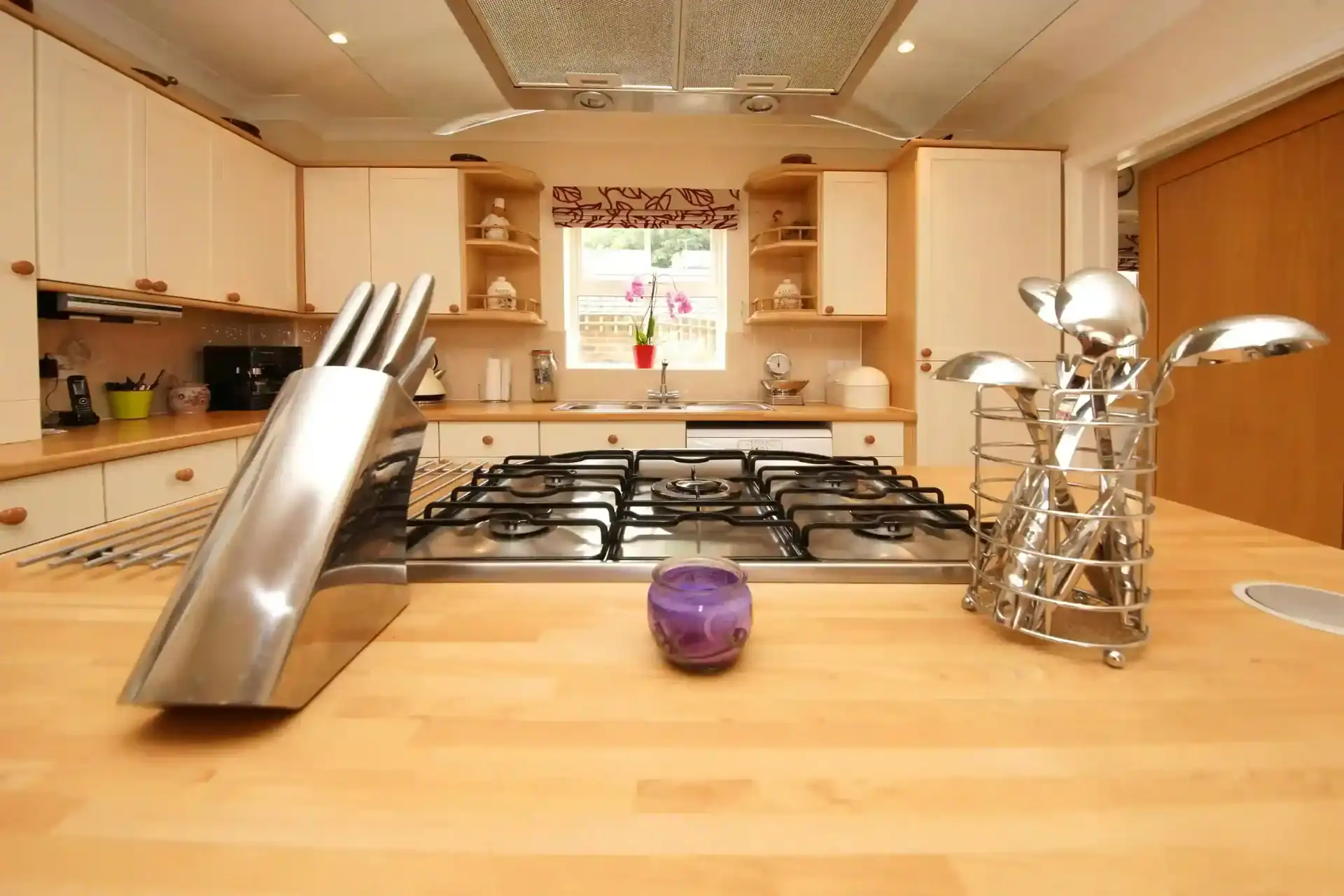
How to Choose the Right Kitchen Worktop for Long Kitchen Runs
Kitchen layout has a direct impact on how you should go about selecting a kitchen worktop. Long wall runs and large islands require careful planning to maintain a seamless appearance.
In these cases, longer lengths can reduce visible joins and improve the overall finish. Many British homeowners consider options such as 4m-long worktops in the UK to achieve a cleaner look across extended surfaces.
Taking the layout into account early makes it easier to choose a kitchen worktop that fits both visually and practically.
How to Choose the Right Kitchen Worktop if You Want a Slim or Thick Profile
Thickness affects both the appearance and proportions of a kitchen. When deciding, it is worth considering how depth interacts with cabinetry and layout.
Profiles, including 27mm worktops in British kitchens, are often used in contemporary kitchens where a lighter look is preferred. Thicker worktops create a stronger visual presence and tend to suit more traditional designs.
Choosing the right profile helps ensure the worktop complements the overall design rather than overpowering it.
How to Choose the Right Kitchen Worktop for Installation and Flexibility
Installation is another factor that influences how to choose the right kitchen worktop for a particular space. Some materials require specialist fitting and cannot easily be adjusted once in place.
Timber offers greater flexibility. It can be cut, shaped and adapted to suit different layouts, which is particularly useful in kitchens with unusual dimensions. Many customers choose to order through worktops directly to ensure their worktops are prepared accurately.
When selecting a kitchen worktop, it is worth considering how easily the material can be worked with during installation.
Choosing the Right Kind of Kitchen Worktop to Last
Durability plays a key role in choosing a kitchen worktop. Some materials resist wear but cannot be repaired, while others may show signs of use but can be restored.
Wooden worktops offer a balance between durability and maintainability. Over time, they can be sanded and refinished, helping them retain their appearance. This makes them a practical option for kitchens that see regular use.
For long-term value, selecting the right surface often comes down to how well it can adapt and age within the space.
Conclusion
Today’s kitchens can incorporate a wide selection of surfaces, from engineered materials and stone to stainless steel and glass. Each option brings its own advantages depending on the appearance and practical requirements of the space.
When considering how to choose the right kitchen worktop, timber continues to stand out for its balance of durability, flexibility and natural appeal. For many homeowners, wood provides a practical surface that can adapt to changing kitchen layouts while maintaining its character over time.