

Choosing between different types of kitchen worktops is one of the most important decisions when planning a new kitchen. Worktops influence not only the appearance of the space but also how practical and durable the surface will be over time. From natural timber to engineered materials and stone, there are many kitchen worktop styles available, each offering different strengths.
For homeowners, understanding the differences between the main types of kitchen worktops can make the selection process far easier. Factors such as maintenance, durability, thickness and overall style all play a role in determining which material works best. While modern kitchens now feature a wide range of surfaces, wooden worktops continue to be one of the most versatile and appealing options thanks to their natural warmth and adaptability.
Wooden Types of Kitchen Worktops
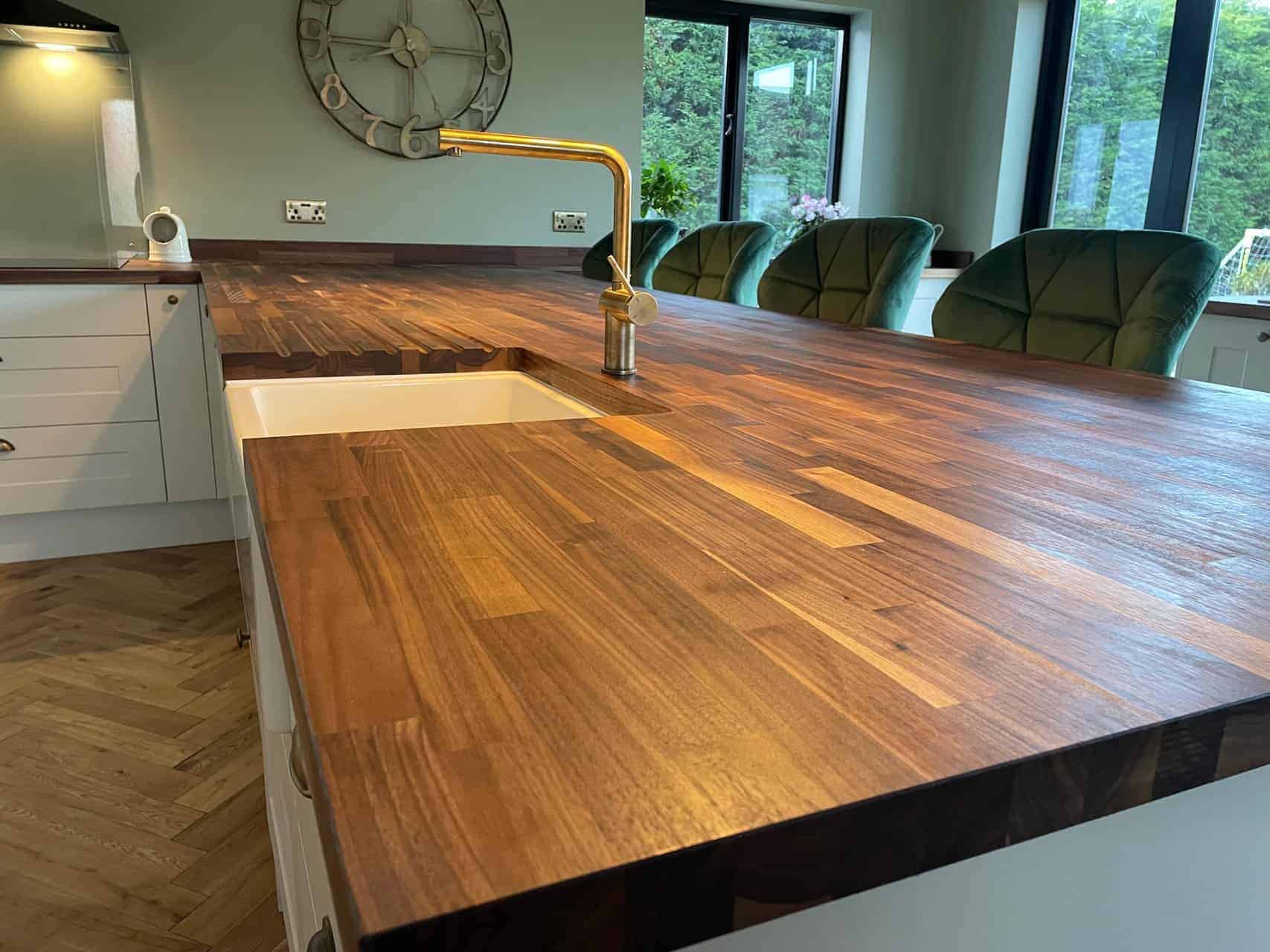
Among the many kitchen worktop materials available today, solid wood remains one of the most traditional and flexible choices. Timber worktops bring warmth and character into a kitchen and can suit both contemporary and classic interiors. Unlike many other materials, wood can also be refinished or repaired over time, which means it can maintain its appearance even after years of everyday use.
Hardwoods such as oak, walnut, maple, iroko and beech are commonly used in kitchen design because they offer durability alongside natural visual appeal. For example, solid beech wood worktops are known for their smooth grain and consistent colouring, making them suitable for kitchens that favour a lighter, cleaner aesthetic.
Another advantage of timber is the flexibility it offers when designing long or continuous work surfaces. Kitchens with extended wall runs or large islands may benefit from 4m worktops in the UK, which allow for fewer joins and a more seamless appearance across the workspace, a sought-after look throughout the country. When comparing different types of kitchen worktops, wood stands out for its ability to combine practicality with natural character.

Engineered Types of Kitchen Worktops
Not all types of kitchen worktops are made from natural materials. Engineered surfaces such as laminate, compact laminate and acrylic solid surface worktops are widely used in modern kitchens due to their affordability and consistency.
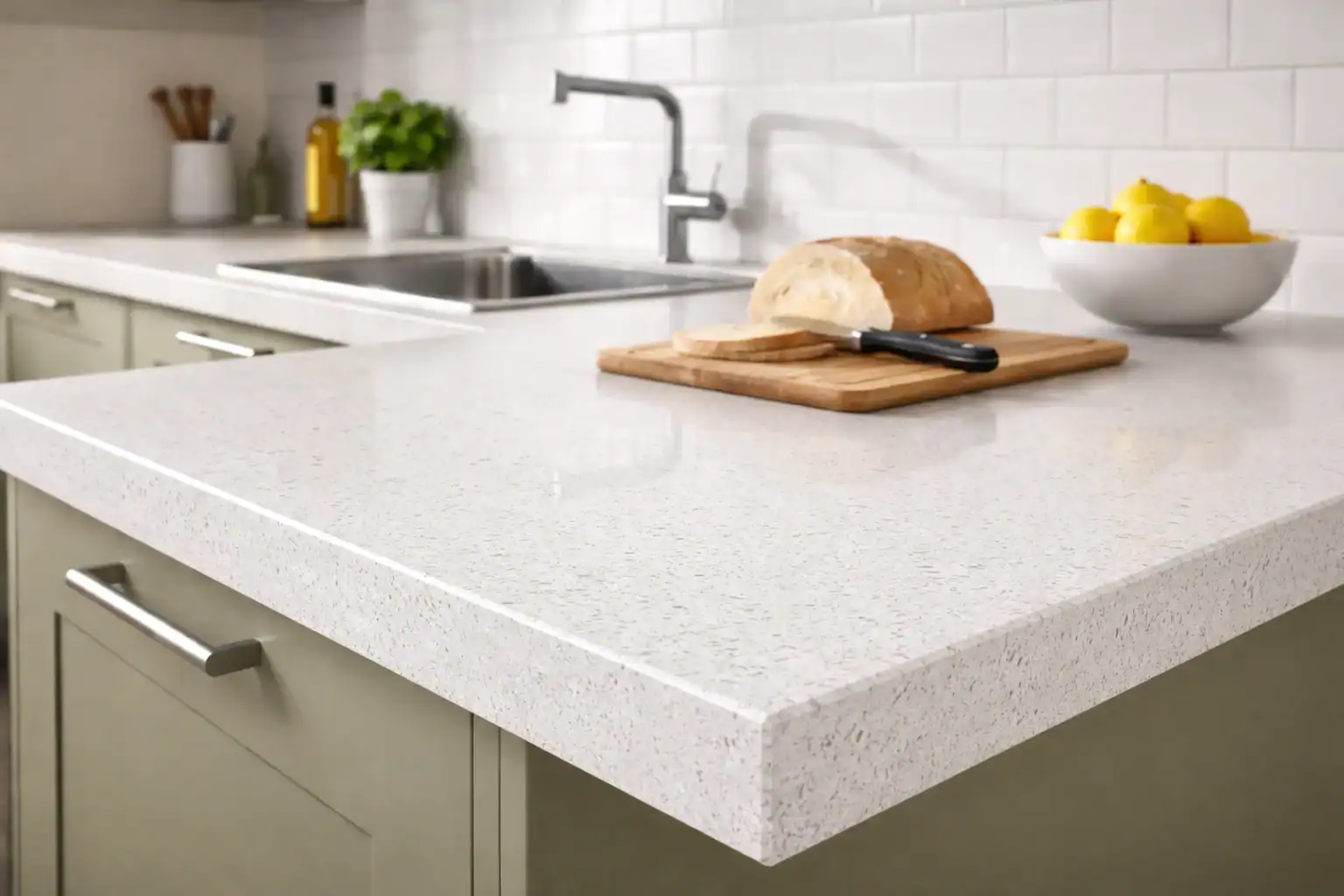
Engineered kitchen worktops are designed to offer a uniform finish and are available in a wide range of colours and patterns. Many can replicate the appearance of natural materials such as stone or timber while remaining relatively cost effective.
However, engineered surfaces do have limitations. Unlike timber worktops, they are generally difficult to repair once damaged. Scratches, chips or burns often require the entire section to be replaced rather than restored. While engineered kitchen worktops can provide practical solutions for some kitchens, they rarely offer the same long-term flexibility as solid wood.
Stone Types of Kitchen Worktops
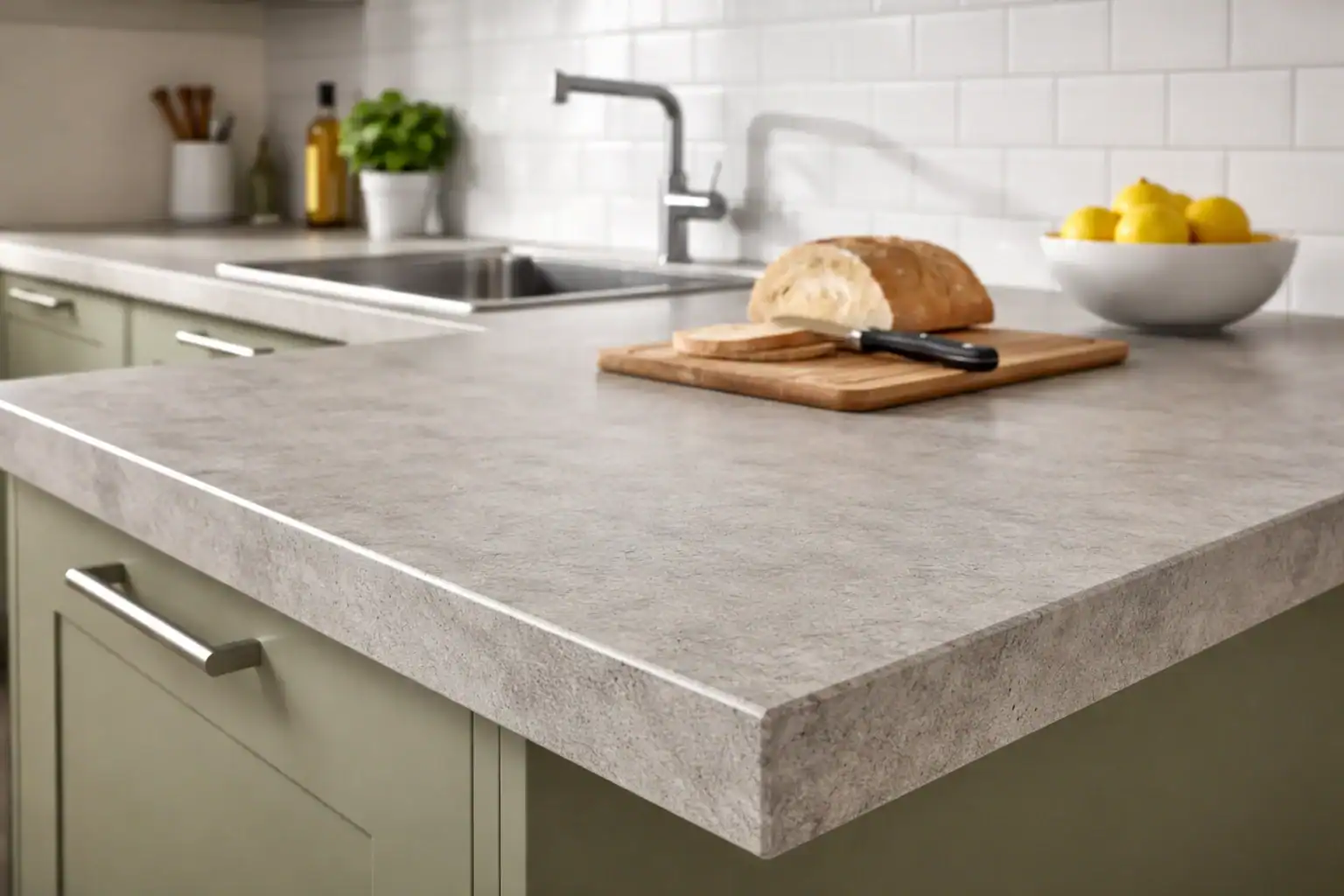
Stone is another category of kitchen worktops that has become increasingly popular in modern kitchen design. Materials such as granite, quartz and ceramic surfaces are valued for their durability and resistance to heat and moisture.
These stone-based types of kitchen worktops often create a sleek and contemporary appearance, particularly in minimalist or high-end kitchen spaces. Quartz, for example, combines natural minerals with resin to create a surface that is both strong and visually consistent.
Despite their undeniable durability, stone worktops can present certain challenges. They are heavy, require professional installation and can be difficult to modify once fitted. Compared with timber, which can be trimmed or refinished if a layout changes, stone surfaces offer far less flexibility. For this reason, some homeowners consider wood when comparing kitchen worktops types that balance practicality with adaptability.
Specialist Types of Kitchen Worktops
Alongside wood, engineered surfaces and stone, there are also more specialised types of kitchen worktops used in particular design settings. Stainless steel, glass and concrete surfaces are examples that can create distinctive kitchen aesthetics.
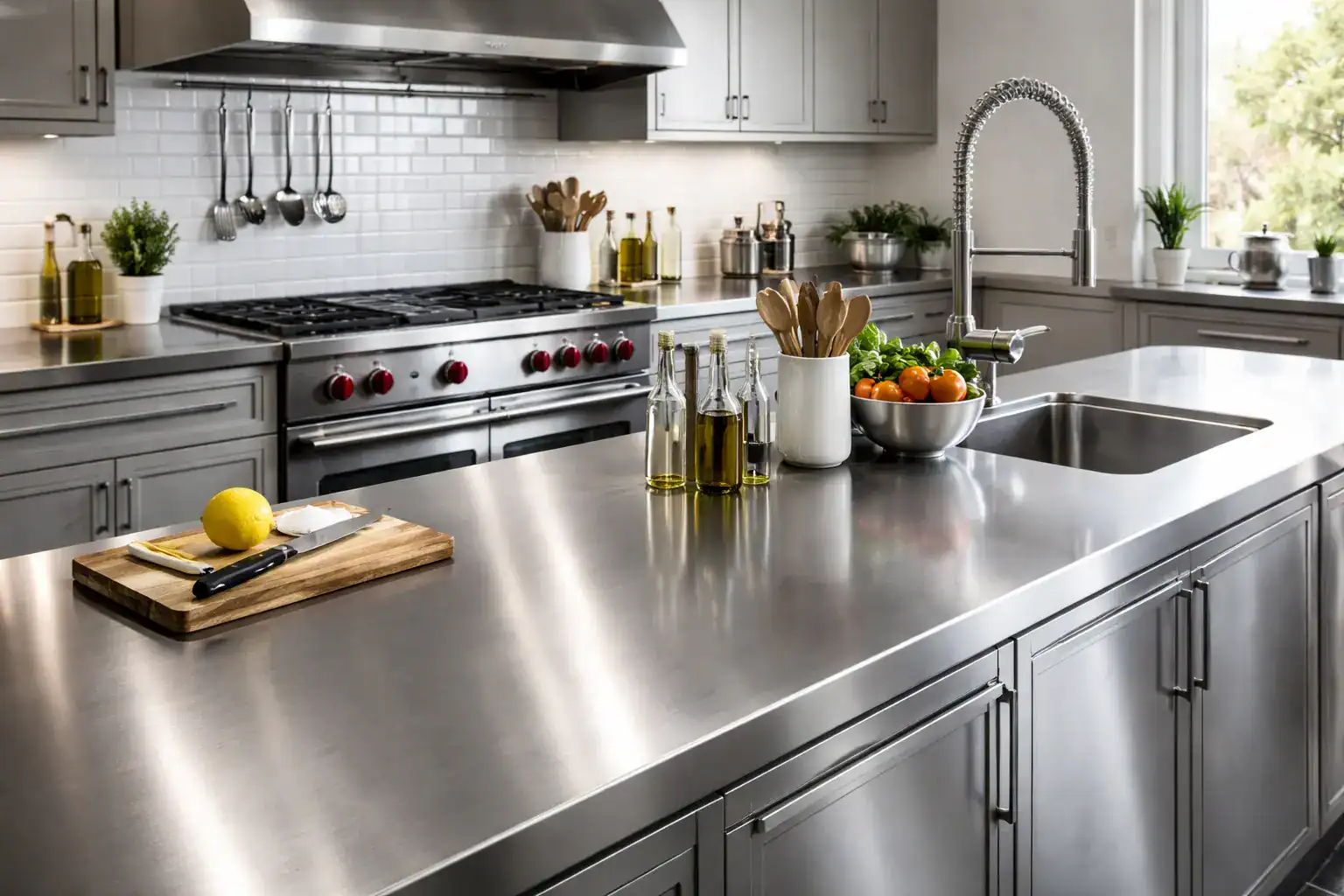
Stainless steel worktops are often associated with professional kitchens because they are highly resistant to heat and easy to clean. Glass and concrete surfaces can also produce striking visual effects in modern interiors.
These specialist types of kitchen worktops are often chosen for their design impact rather than their versatility. In many domestic kitchens, homeowners prefer materials that balance durability with warmth and practicality, which is why timber worktops continue to be widely used.
Choosing Between Different Types of Kitchen Worktops
When deciding between the various types of kitchen worktops, several practical factors should be considered. Kitchen layout, worktop thickness, maintenance requirements and overall design style all influence which material will perform best.
Worktop thickness can also affect the appearance and proportions of a typical British kitchen design. For example, slimmer profiles such as 22mm worktops in the UK can create a lighter and more contemporary look, particularly in minimalist kitchen designs. Thicker worktops, on the other hand, often emphasise the natural character of timber.
Understanding these differences helps homeowners compare the available kitchen worktop styles more effectively. Choosing the right material ultimately depends on how the kitchen will be used and how the worktop will complement the wider design.
Why Wood Remains One of the Most Practical Types of Kitchen Worktops
Although there are many types of kitchen worktops available today, wood remains one of the most practical options for a wide range of kitchens. Its natural appearance works equally well in traditional, modern and transitional spaces, and the ability to sand and refinish timber gives it a lifespan that many other materials cannot match.
Another advantage is the flexibility timber offers during installation. Wooden worktops can be cut, shaped and adapted more easily than stone or engineered surfaces, which makes them particularly useful for kitchens with unusual layouts or bespoke designs.
For homeowners comparing the different kitchen worktop surfaces, wood continues to stand out as a material that combines durability, character and adaptability. These qualities help explain why timber worktops remain a popular choice across both contemporary and classic kitchen designs.
Conclusion
Today’s kitchen styles can incorporate a wide selection of surfaces, from engineered materials and stone to stainless steel and glass. Each option brings its own advantages depending on the appearance and practical requirements of the space.
When comparing the available types of kitchen worktops, timber continues to stand out for its balance of durability, flexibility and natural appeal. For many homeowners, wood provides a practical surface that can adapt to changing kitchen layouts while maintaining its character over time.